
Yes, dental implants can fail, but it is uncommon. Long-term studies report success rates of roughly 90 to 95 percent or higher over ten years, and most problems that do occur are linked to infection around the implant, smoking, uncontrolled health conditions, or excessive biting forces. Early warning signs such as bleeding, swelling, or a loose feeling are treatable when caught in time, so regular follow-up after dental implant treatment is the best protection for your investment and your health.
Implants are one of the most reliable ways to replace missing teeth, which is why the idea of failure can feel alarming. Understanding what failure actually means, why it happens, and how to spot early changes allows you to act quickly and keep your implant healthy for many years.
At Celina Dentistry, implant care is planned with long-term success in mind, from careful assessment of bone and gums to personalized maintenance. Implants are part of a wider approach to restorative dentistry, where crowns, bridges, and supporting teeth are considered together so the whole bite stays balanced.
When infection develops around an implant, cleaning the surface thoroughly is essential, and some clinics use laser dental treatment as part of managing inflamed gum tissue. If an implant suddenly feels loose, painful, or swollen, contact an emergency dentist rather than waiting for your next routine visit.
What Does Implant Failure Mean?
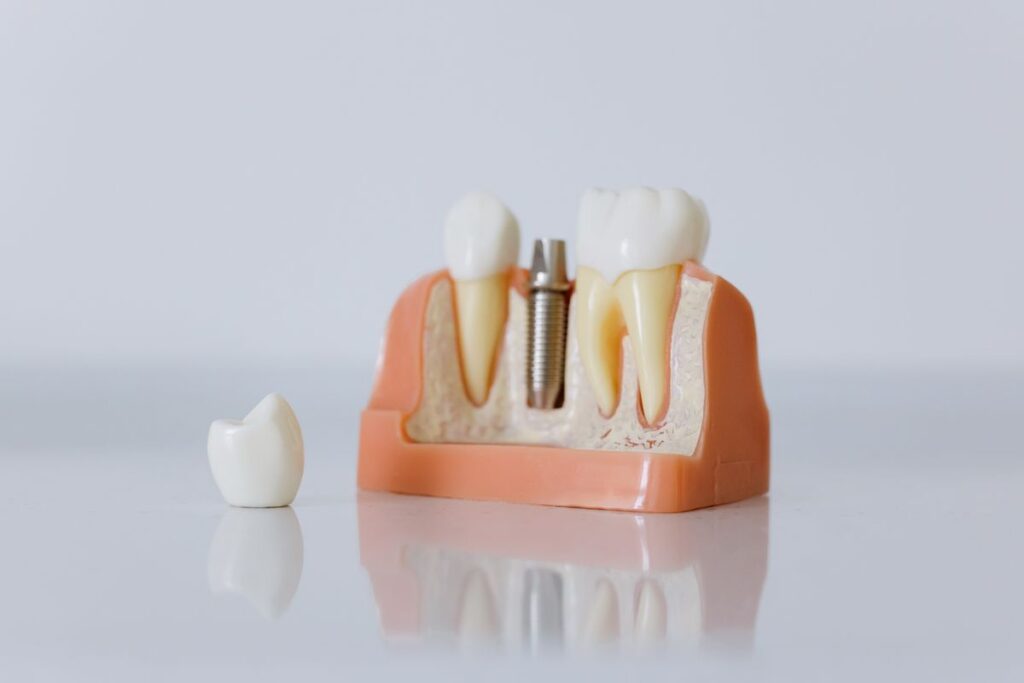
A dental implant is a small titanium or zirconia post placed into the jawbone to replace a tooth root. It succeeds when the bone fuses tightly around it, a process called osseointegration. An implant is considered failing or failed when this bond does not form, or when it breaks down later because of infection, bone loss, or mechanical problems.
Early Failure vs Late Failure
| Type | When It Happens | Common Causes |
|---|---|---|
| Early failure | Within the first few months, before or soon after the crown is placed | Poor bone integration, infection at the surgical site, smoking, movement during healing, insufficient bone |
| Late failure | Months or years after successful integration | Peri-implantitis, excessive bite forces, grinding, poor oral hygiene, health changes |
Is Implant Trouble Minor, Temporary, or Serious?
- Minor and treatable: gum inflammation around the implant (peri-implant mucositis) with bleeding on brushing.
- Needs prompt care: swelling, tenderness, or a loose crown or abutment screw.
- Serious: progressive bone loss, pus, or an implant that moves within the bone.
Warning Signs of a Failing Implant
- Bleeding or redness around the implant when brushing.
- Swollen or receding gums exposing metal or the implant collar.
- Pain or discomfort when chewing.
- A bad taste or pus near the implant.
- The implant crown feeling loose or moving.
- Changes in how your teeth bite together.
- Persistent pain weeks after surgery.
Safety note: if you have facial swelling, fever, or severe pain after implant surgery, contact your dentist urgently. Do not try to tighten or remove any part of an implant yourself.
Peri-Implant Mucositis vs Peri-Implantitis
| Feature | Peri-Implant Mucositis | Peri-Implantitis |
|---|---|---|
| What is affected | Gum tissue only | Gum and supporting bone |
| Signs | Redness, swelling, bleeding | Bleeding, pus, deepening pockets, bone loss on X-rays |
| Reversible? | Yes, with cleaning and improved home care | Can be controlled, lost bone may need surgical treatment |
| Treatment | Professional cleaning, hygiene coaching | Deep cleaning, decontamination, sometimes surgery or grafting |
What Causes Dental Implants to Fail?
Peri-Implantitis
The most common cause of late failure. Plaque bacteria inflame the tissue around the implant, and bone gradually breaks down. It is similar to gum disease around natural teeth.
Smoking
Smoking reduces blood flow and healing, and is linked to higher rates of both early and late failure.
Uncontrolled Diabetes and Health Conditions
Poorly controlled blood sugar slows healing and increases infection risk. Some medications and treatments that affect bone can also influence outcomes.
Insufficient Bone
If there is not enough bone volume or density, the implant may not stabilise properly. Bone grafting can address this before or during placement.
Excessive Bite Forces and Grinding
Clenching and grinding can overload an implant, loosen screws, chip crowns, or contribute to bone loss.
Poor Oral Hygiene
Implants still need daily cleaning. Plaque around them leads to inflammation.
History of Gum Disease
People who lost teeth to periodontitis are at higher risk of peri-implantitis and benefit from closer monitoring.
Component Problems
Loose abutment screws or fractured crowns are mechanical complications that are usually repairable without losing the implant.
What to Do If You Notice a Problem
- Book an appointment promptly and describe your symptoms.
- Keep the area clean with gentle brushing and interdental cleaning.
- Avoid chewing hard food on the implant side.
- Rinse with warm salt water if the gum is sore.
- Do not ignore bleeding, even if there is no pain.
How Dentists Treat Implant Problems
- Assessment: examination, probing around the implant, and X-rays to check bone levels.
- Mechanical fixes: tightening or replacing loose screws, repairing crowns.
- Non-surgical cleaning: removing plaque and deposits from the implant surface.
- Adjunctive therapies: antimicrobial rinses, local antibiotics, or laser-assisted cleaning in suitable cases.
- Surgical treatment: for advanced bone loss, reshaping or regenerating bone around the implant.
- Removal and replacement: if the implant is mobile, it may be removed, the site allowed to heal or grafted, and a new implant placed later.
Can a Failed Implant Be Replaced?
Often, yes. After removal, the site usually needs time to heal, sometimes with bone grafting. Many patients go on to have a successful second implant, especially when the original cause, such as smoking or grinding, is addressed.
Who Is at Higher Risk of Implant Problems?
Some factors increase the chance of complications. Having one or more does not rule out implants, but it does mean planning and maintenance should be more careful.
| Risk Factor | Why It Matters | How It Is Managed |
|---|---|---|
| Smoking or vaping | Reduces blood supply and slows healing | Stopping before and after surgery |
| History of gum disease | Higher risk of peri-implantitis | Treating gum disease first, closer maintenance |
| Uncontrolled diabetes | Slower healing, higher infection risk | Working with your physician for good control |
| Grinding or clenching | Overloads implant and components | Custom night guard, bite adjustment |
| Thin or low bone | Less stability for the implant | Bone grafting, careful implant selection |
| Irregular checkups | Problems go unnoticed | Regular maintenance schedule |
A Simple Implant Maintenance Schedule
- Daily: brush twice, clean around the implant with interdental brushes, floss, or a water flosser.
- Every three to six months: professional cleaning and gum check, depending on your risk.
- Yearly or as advised: X-rays to monitor bone levels around the implant.
- As needed: night guard checks, screw and crown inspections.
Patients who follow a consistent maintenance routine have a much lower risk of developing peri-implantitis, and any early inflammation can be treated before it affects the bone.
What Recovery After Implant Surgery Should Feel Like
Knowing what is normal after placement helps you recognise early warning signs. Mild swelling, minor bleeding, and soreness for a few days are expected and usually improve steadily. By the end of the first week, most people feel comfortable eating soft foods. Pain that increases after day three, swelling that grows rather than shrinks, a persistent bad taste, or an implant that feels mobile are not typical and should be reported straight away.
Myths About Implant Failure
- Myth: “Implants never fail.” Fact: they are very successful but still need care and monitoring.
- Myth: “Implants cannot get gum disease.” Fact: peri-implantitis is a real and common complication.
- Myth: “A loose crown means the implant failed.” Fact: often only the screw or crown is loose, which is easily fixed.
- Myth: “Implant surgery is extremely painful.” Fact: most patients describe it as more comfortable than expected, with mild soreness for a few days.
- Myth: “Dental anxiety means I cannot have implants.” Fact: a calm, comfort-focused approach and clear communication help anxious patients feel at ease.
Real Patient Scenarios
The Bleeding Implant
A patient noticed bleeding around an implant placed five years earlier. Assessment showed peri-implant mucositis. Professional cleaning and better use of interdental brushes resolved it within weeks.
The Night Grinder
Another patient’s implant crown kept loosening. Grinding was identified, the screw was replaced, and a night guard stopped the problem.
The Smoker
A third patient’s implant did not integrate during healing. After removal and a smoke-free healing period with bone grafting, a second implant succeeded.
Common Mistakes With Implants
- Skipping maintenance visits once the implant feels normal.
- Not cleaning around the implant with interdental brushes or a water flosser.
- Continuing to smoke during healing.
- Ignoring grinding or clenching.
- Delaying care when bleeding or swelling appears.
How to Help Your Implant Last a Lifetime
- Brush twice daily and clean around the implant daily.
- Attend regular checkups and professional cleanings.
- Avoid smoking and vaping.
- Keep medical conditions such as diabetes well controlled.
- Wear a night guard if you grind.
- Report any changes promptly.
Questions to Ask Before Implant Treatment
- Is my bone volume suitable, or will I need grafting?
- How will my medical history and medications affect healing?
- What type of implant and crown material do you recommend, and why?
- What does the maintenance schedule look like after treatment?
- How will you protect the implant if I grind my teeth?
Clear answers to these questions help set realistic expectations and give you confidence in your long-term plan.
Why Licensed, Experienced Care Matters
Implant success depends on careful planning, precise placement, and lifelong maintenance. In Ontario, dental professionals must be registered with the Royal College of Dental Surgeons of Ontario (RCDSO), ensuring they meet standards for safety, sterilisation, and ethical care. Choosing a licensed team with advanced technology and a personalized approach helps reduce risk and catch problems early.
Implant Care at Celina Dentistry
Celina Dentistry is a premium Dental Clinic in North York where artistry meets dental excellence. Advanced technology, personalized treatment plans, and a refined, welcoming environment support natural-looking results and long-term oral health. Many patients choose the clinic for Dental Implants North York because of its attention to detail and comfort-focused care.
New patients are welcome, and the clinic offers emergency dental services, same-day appointments, cosmetic and restorative care, implants, veneers, laser dental treatment, and more. Whether you need an Emergency Dentist in North York for a sudden implant problem, an Emergency Dental Clinic in North York, a Cosmetic Dentist in North York, or a Family Dentist in North York, call +1 647-905-7372, email info@celinadentistry.ca, or visit 500 Wilson Ave Unit 108, North York, ON M3H 0E5. Patients often describe it as the Best Dental Clinic in North York, with a Top Dentist in North York team, and say they found the Best Dentist in North York and a trusted Dentist in North York for implant care.
Frequently Asked Questions
How common is dental implant failure?
It is relatively uncommon. Most studies report success rates of around 90 to 95 percent or higher over ten years.
Can a failing implant be saved?
Often, yes, if caught early. Gum inflammation and mechanical issues are usually treatable. Advanced bone loss may require surgery or replacement.
Does implant failure hurt?
Not always. Early peri-implantitis may be painless, which is why regular checkups and X-rays are important.
How long should a dental implant last?
With good care, the implant post can last many years and often decades. The crown may need replacing over time due to wear.
Can I get an implant if I smoke?
It is possible, but smoking increases the risk of failure. Stopping before and after surgery greatly improves the chance of success.
Conclusion
Dental implants are highly successful, but they can fail due to infection, smoking, bone problems, or heavy bite forces.
Early signs like bleeding, swelling, or looseness are treatable when caught quickly.
Good daily care and regular professional checkups give your implant the best chance of lasting a lifetime.