
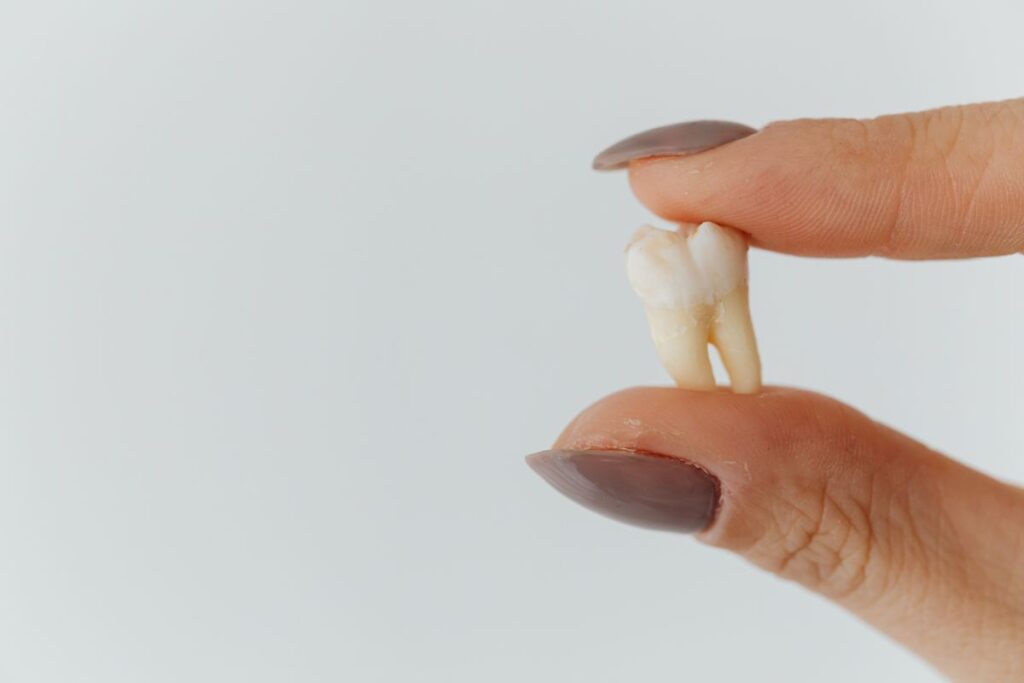
If you knock out a permanent tooth, pick it up by the crown (the white part), gently rinse it without scrubbing, try to place it back in the socket, and get to a dentist within 30 to 60 minutes. A knocked-out adult tooth is a true dental emergency, and the speed of your response makes the biggest difference to whether it can be saved. If you cannot put it back, keep it moist in milk or inside your cheek and contact an emergency dentist immediately.
A knocked-out tooth, called an avulsed tooth, usually happens suddenly, during sports, a fall, a cycling accident, or a collision. The shock and bleeding can be frightening, and many people do not know what to do in those first critical minutes. Staying calm and following a few clear steps gives the tooth its best chance.
The good news is that, when treated quickly, many replanted teeth can stay in place for years. A clinic experienced in urgent care, such as Celina Dentistry, can splint the tooth, check for other injuries, and plan follow-up treatment.
When a tooth cannot be saved, modern options still restore your smile. Dental implants replace the root and crown with a natural-looking result, while broader restorative dentistry can repair chipped or cracked neighbouring teeth. If you are reading this before an emergency happens, it is also worth saving the clinic’s appointment request page in your phone.
What Is a Knocked-Out Tooth?
A knocked-out tooth is one that has been completely forced out of its socket, including the root. The tooth is held in place by the periodontal ligament, a layer of living cells that attaches the root to the bone. When the tooth comes out, these cells begin to dry out and die within minutes. Keeping the root surface moist and getting the tooth back into the socket quickly is what gives it a chance to reattach.
Is a Knocked-Out Tooth Always an Emergency?
- Permanent (adult) tooth: yes, always an emergency. Act within minutes and see a dentist as soon as possible, ideally within 30 to 60 minutes.
- Baby tooth: urgent, but do not put it back. Replanting a baby tooth can damage the developing adult tooth underneath. See a dentist promptly to check for other injuries.
- Medical emergency: if there is a head injury, loss of consciousness, heavy bleeding that will not stop, or difficulty breathing, go to the hospital emergency department or call 911 first.
What to Do in the First 30 Minutes: Step by Step
- Find the tooth. Pick it up by the crown only. Do not touch the root.
- Rinse briefly if dirty. Rinse for a few seconds with milk, saline, or clean cold water. Do not scrub, dry, or wrap it in tissue.
- Try to replant it. Gently push the tooth back into the socket, facing the right way. Bite gently on a clean cloth to hold it in place.
- If you cannot replant it, store it in cold milk, saline, a tooth preservation kit, or inside your cheek (only for adults who will not swallow it).
- Never store it in water for long periods, as plain water damages the root cells.
- Control bleeding with gentle pressure using clean gauze.
- Call an emergency dentist immediately and head there with the tooth.
Safety note: do not attempt to replant a tooth if the person is unconscious, has a serious head injury, or could choke. Seek medical help first. Tetanus protection may also need to be checked if the injury involved soil or a dirty surface.
How Time Affects the Chance of Saving the Tooth
| Time Out of Mouth | Storage | Typical Outlook |
|---|---|---|
| Replanted within minutes | Back in socket | Best chance of long-term survival |
| Under 60 minutes | Milk, saline, or cheek | Good chance, depending on injury |
| Over 60 minutes dry | Kept dry | Root cells likely damaged, poorer outlook |
| Any time in plain water | Water | Reduced chance, root cells swell and die |
What Happens at the Dental Clinic?
- Assessment: the dentist examines the mouth, checks for other broken teeth, jaw injuries, and cuts.
- Cleaning: the socket and tooth are gently cleaned.
- Replantation: if not already done, the tooth is carefully placed back into the socket.
- Splinting: a flexible splint bonds the tooth to its neighbours for about two weeks.
- X-rays: confirm the position of the tooth and check for root or bone fractures.
- Medication: antibiotics or a tetanus booster may be recommended.
- Root canal planning: for adult teeth with fully formed roots, root canal treatment is usually started within one to two weeks to prevent problems.
- Follow-up: regular reviews over months and years monitor healing.
Caring for a Replanted Tooth at Home
The first two weeks after replantation are important for healing. Your dentist will give personalised instructions, which usually include:
- Soft diet: eat soft foods for about two weeks and avoid biting directly on the injured tooth.
- Gentle cleaning: brush carefully with a soft toothbrush after every meal, including around the splint.
- Antibacterial rinse: a prescribed mouth rinse may be recommended for a short time.
- No contact sports: avoid activities with a risk of another blow until your dentist says it is safe.
- Medication: take any prescribed antibiotics exactly as directed.
- Watch for warning signs: swelling, increasing pain, a bad taste, or a loose splint should be reported promptly.
Follow-up visits are usually scheduled at intervals over the first year to check the root, the surrounding bone, and the colour of the tooth. Even when everything looks fine, these reviews help catch problems such as root resorption early.
Build a Simple Dental Emergency Kit
Being prepared turns a frightening moment into a manageable one. Keep these items at home, in the car, or in a sports bag:
- A small container with a lid.
- A tooth preservation solution or a small carton of milk when practical.
- Clean gauze pads.
- Disposable gloves.
- A cold pack.
- Your dental clinic’s phone number saved in your phone.
Coaches, teachers, and parents of active children benefit most from knowing these steps in advance, because the first few minutes after an injury matter more than anything else.
Other Dental Injuries and What to Do
Chipped or Broken Tooth
Save any pieces in milk, rinse your mouth, and see a dentist. Fragments can sometimes be bonded back.
Loosened or Pushed Tooth
A tooth that has moved out of position should be seen quickly. Do not force it back yourself.
Cut Lips, Tongue, or Gums
Apply pressure with clean gauze. Deep or gaping cuts may need medical attention.
If the Tooth Cannot Be Saved: Replacement Options
| Option | Benefits | Considerations |
|---|---|---|
| Dental implant | Replaces root and crown, preserves bone, natural feel | Healing time needed, not suitable for children still growing |
| Bridge | Fixed, relatively quick | Involves neighbouring teeth |
| Bonded bridge | Minimal preparation of neighbouring teeth | Best for certain front tooth gaps |
| Removable partial denture | Simple, temporary or long-term | Less stable than fixed options |
Myths About Knocked-Out Teeth
- Myth: “Clean the tooth thoroughly with soap.” Fact: scrubbing destroys the root cells. A brief rinse is enough.
- Myth: “Wrap it in a tissue to keep it safe.” Fact: drying the root greatly reduces the chance of saving it.
- Myth: “A knocked-out tooth can never be saved.” Fact: quick action often allows successful replantation.
- Myth: “Dental emergencies are always extremely painful to treat.” Fact: local anaesthetic and a calm, comfort-focused approach make treatment manageable, even for anxious patients.
Real Patient Scenarios
The Hockey Game
A teenage player lost a front tooth during a game. A coach rinsed it briefly and placed it back in the socket. At the clinic within 40 minutes, the tooth was splinted and later root treated. It remained stable at follow-up visits.
The Tooth Kept in Water
An adult fell off a bicycle and kept the tooth in a glass of water for two hours. The root cells had been damaged. The tooth was eventually replaced with an implant after the area healed.
The Child’s Baby Tooth
A four-year-old knocked out a baby tooth on a playground. The parents did not replant it, which was correct. The dentist checked the area and monitored the developing adult tooth.
Common Mistakes in a Dental Emergency
- Holding the tooth by the root.
- Scrubbing or using chemicals to clean it.
- Letting the tooth dry out.
- Waiting until the next day to call a dentist.
- Skipping follow-up visits after replantation.
How to Prevent Dental Injuries
- Wear a custom mouthguard for contact sports and activities like skateboarding.
- Use seat belts and child car seats properly.
- Childproof homes to reduce falls for toddlers.
- Avoid using teeth to open packages or bottles.
- Keep a tooth preservation kit in sports bags.
Why Licensed Dental Professionals Matter in Emergencies
Replanting and splinting a tooth requires precise technique, imaging, and long-term follow-up. In Ontario, dentists must be registered with the Royal College of Dental Surgeons of Ontario (RCDSO), ensuring they meet standards for safe, ethical care. Choosing a licensed team experienced in emergencies gives your tooth the best possible chance.
Will the Tooth Change Colour Later?
Some replanted or injured teeth darken over the following months because the nerve has been damaged. This does not always mean the tooth is failing, but it should be checked. If the tooth darkens, root canal treatment and internal whitening, bonding, or a veneer can restore a natural appearance. Your dentist will monitor the colour, the root, and the gum around the tooth at each follow-up so any change is managed early.
Same-Day Emergency Care at Celina Dentistry
Celina Dentistry is a premium Dental Clinic in North York where artistry meets dental excellence. The clinic combines advanced technology with personalized care in a refined, welcoming, and comfort-focused environment, with a strong commitment to natural beauty and long-term oral health. As an Emergency Dental Clinic in North York, Celina offers emergency dental services and same-day appointments, so urgent injuries can be seen quickly.
The clinic welcomes new patients and provides emergency care, cosmetic treatment, restorative dentistry, dental implants, veneers, laser dental treatment, and more. If you need an Emergency Dentist in North York, a Family Dentist in North York, a Cosmetic Dentist in North York, or expert advice on Dental Implants North York, call +1 647-905-7372, email info@celinadentistry.ca, or visit 500 Wilson Ave Unit 108, North York, ON M3H 0E5. Patients often describe it as the Best Dental Clinic in North York and say they found the Best Dentist in North York, a Top Dentist in North York team, and a trusted Dentist in North York for both urgent and planned care.
Frequently Asked Questions
How long do I have to save a knocked-out tooth?
The best results come when the tooth is replanted within minutes. Seeing a dentist within 30 to 60 minutes gives a good chance, especially if the tooth was kept moist.
Should I put a knocked-out baby tooth back in?
No. Replanting a baby tooth can harm the adult tooth developing underneath. Keep it and see a dentist to check the area.
What is the best liquid to store a knocked-out tooth in?
Cold milk, saline, or a tooth preservation kit are best. Saliva inside the cheek works for adults. Avoid storing it in plain water.
Will a replanted tooth need a root canal?
In adults, root canal treatment is usually needed within a couple of weeks to prevent inflammation and root damage.
Can a replanted tooth last for life?
Some replanted teeth last many years. Outcomes depend on how quickly the tooth was replanted, how it was stored, and follow-up care.
Conclusion
A knocked-out adult tooth is an emergency, and acting within minutes gives it the best chance of survival.
Handle it by the crown, keep it moist, try to replant it, and see a dentist straight away.
If the tooth cannot be saved, modern replacement options can still restore a natural, confident smile.